The New Wealth Economy: Takeaways from VEST 2026
American savings is undergoing the most dramatic transformation in a generation.
$84 trillion in wealth is being transferred. Policy moves are bringing millions of new savers into the system. AI is reshaping how savings are designed and delivered. Platform shifts are consolidating a fragmented industry into integrated experiences. Together, these forces are rewriting the rules of American wealth.
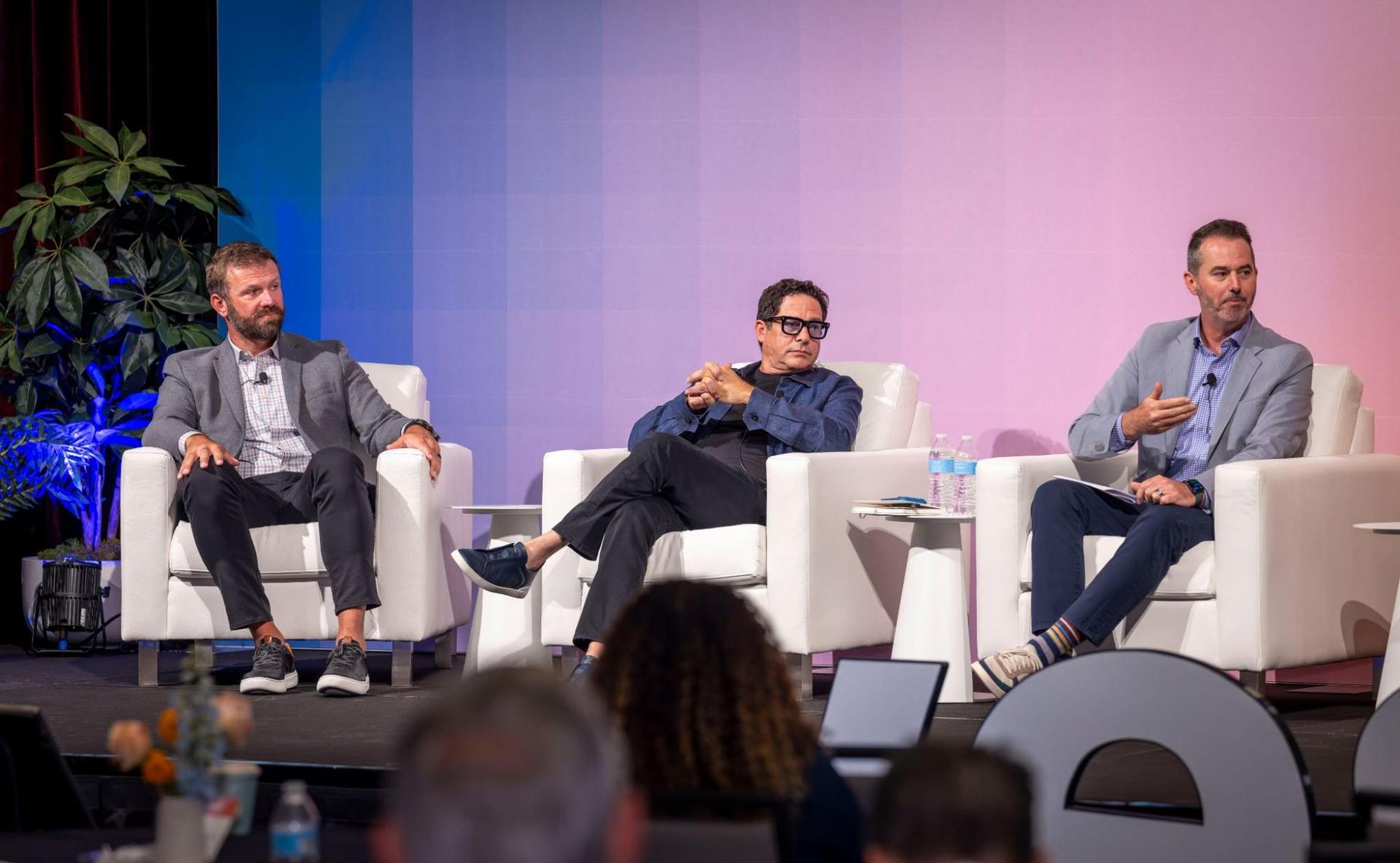
At VEST 2026, 200 of the savings industry's most influential leaders gathered in the Sonoran Desert for three days of candid conversations and reflections, all organized around a single theme: The New Wealth Economy.
These are the ideas and signals we're carrying forward, including the questions that will shape the next decade of American savings and the moments at VEST 2026 that pointed toward where the industry is headed.
The New Wealth Economy
America is facing a $50 trillion savings gap, and a system out of step with the people saving in it. A new generation is entering through new channels and policies, and with new expectations. But the infrastructure, the advice, and the products are still running a generation behind.
The focus at VEST 2026 was on this inflection point. The organizations that lead through this transformation will be the ones that start designing and optimizing financial services for a new generation of savers with new expectations.
The Great Transfer
The $84 trillion intergenerational wealth transfer is often framed as an inheritance event. At VEST, it was reframed as a redefinition of who holds influence, how trust is built, and what advice looks like when the person inheriting assets has never met the person managing them.
Here’s what the numbers show:
- Over the next decade, women will control a growing share of U.S. wealth, where they are expected to control $34 trillion in financial assets, up from $7.3 trillion just a decade ago.
- Millennials and Gen Z are entering the system through digital-first channels, with lower brand loyalty and higher expectations around personalization.
- Studies continue to show that between 70% and 90% of heirs fire their parents' financial advisor within the first year of inheriting wealth
The question VEST aimed to answer was: how can you earn a seat at the table before the transfer happens, not after? To prepare, advisors can build relationships with entire families now and adapt how they engage, communicate, and plan for a generation with different values and definitions of success.
Emerging Policies
Policy is no longer incremental in American savings. With SECURE 2.0, state auto-IRAs, the arrival of Trump Accounts, and the opening of private markets to retirement plans under EO 14330, the last few years have marked a turning point in when, how, and for whom the savings system works.
VEST sessions acknowledged what has become increasingly clear across the industry: policy is currently the active force reshaping distribution, access, and product design in real time.
Earlier entry points are expanding who participates. Mandates are turning the workplace into the default infrastructure for saving, and access is widening across historically underserved populations through vehicles of state-level innovation. The simultaneous opening of private markets to defined contribution plans is reshaping what's possible inside the plans themselves.
For advisors, employers, and providers, the question now is how fast, and how thoughtfully, they can translate structural change into real outcomes for the savers at the center of it all.

The Intelligence Layer
At VEST 2026, panelists focused on AI’s real impact in savings: personalization at scale. For an industry built on serving millions of savers at once, with millions of different financial realities, AI is finally making it possible to meet people exactly where they are with things like:
- Hyper-personalized savings recommendations
- Nudges tuned to individual behavior rather than demographic segments
- Lifecycle design that adapts to each individual saver's reality
But the honest conversations at VEST made clear that scale brings responsibility. AI adoption in financial services depends on trust, transparency, and governance, and the firms setting the industry standard for how data and decision-making are treated will be the ones that define what comes next. The leading edge is moving more thoughtfully than fast.
The Platform Shift
The savings industry is consolidating. Individual solutions are being absorbed into integrated ecosystems. Retirement, emergency savings, education, debt, and care costs, once managed through separate accounts, separate products, and separate providers, are converging into single platforms embedded where people earn and manage money.
At VEST, the implications of this shift were examined. Payroll, 401(k), and advice are converging into the default infrastructure of financial services.
It will be critical to stop designing for the industry as it is, and start building for savers as they actually are: multi-goal, multi-channel, and expecting a connected experience across every part of their financial life. The era of siloed savings is ending, and the era of connected savings has already begun.
The Conversation Continues
The forces reshaping American savings are still unfolding, and the industry is still deciding how to meet them. VEST 2026 was a place where the leaders helping to shape that answer came together to challenge assumptions, share what’s working, and build conviction around what comes next.
These conversations don’t end in Phoenix. At Vestwell, we’re building the modern savings infrastructure for this new era: a connected platform that serves advisors, employers, and savers across the full range of goals that matter to them.
Ready to see what that looks like for your firm? Book a call with Vestwell to get started.